
FDA reminds public: 'Chofi' (Turkey tail) is still banned in Ghana
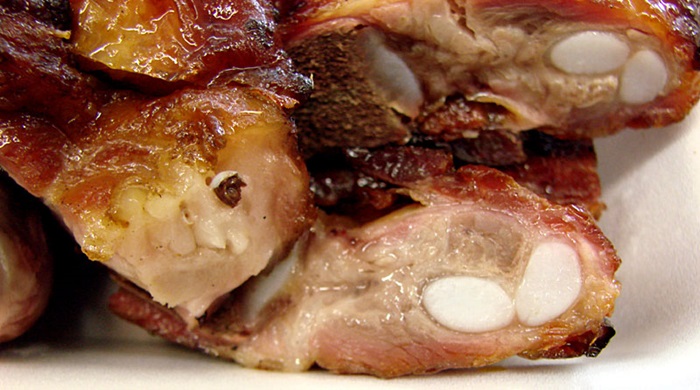
The Food and Drugs Authority (FDA) has reiterated its warning to the public regarding the continued sale and consumption of turkey tail, locally known as “Chofi” in Ghana, despite a national ban being in place.
In a public notice issued on Monday, May 11, the Authority reminded traders and consumers that the importation and distribution of turkey tail and other poultry parts with fat content exceeding 15 per cent have been prohibited since 1999.
The FDA expressed concern that, despite the ban being in effect for over two decades, the product is still openly displayed and sold in several markets across the country, thereby posing fresh public health risks.
According to the Authority, the restriction was implemented due to the extremely high fat content of turkey tail, which has been linked to several non-communicable diseases, including obesity, high cholesterol levels, and cardiovascular complications such as heart disease.
Health officials stress that the continued consumption of such products undermines national efforts to promote healthier diets and reduce the growing burden of lifestyle-related diseases in Ghana.
Beyond enforcement, the FDA emphasized that public education remains vital, urging citizens to be more conscious of their dietary choices and avoid banned or unsafe food products.
“The FDA therefore advises the public to avoid these products,” the statement emphasized, adding that safeguarding public health requires both regulatory action and consumer responsibility. The Authority also called on traders to comply strictly with food safety regulations and support efforts aimed at ensuring that only wholesome and approved food products are made available to consumers.
For many health advocates, the renewed warning serves as a timely reminder of the hidden risks associated with popular but unhealthy food choices, especially in urban markets where such products remain widely accessible despite official restrictions.
Comments (2)
Great reporting, SIKKA FM!
Thanks for sharing this story.